The Value of Routine Roof Inspections: Expert Advice From Premier Roofing & Exteriors
Consistent roof inspections are vital for property owners looking to protect their property's worth and safety. Premier Roofing & Exteriors emphasizes the significance of early detection of potential issues, which can prevent expensive repairs. Understanding the common problems and the best practices for inspections can make a substantial difference. Homeowners may wonder about the best timing for conducting inspections and what the process involves. Investigating these factors can reveal critical insights for proper roof care.
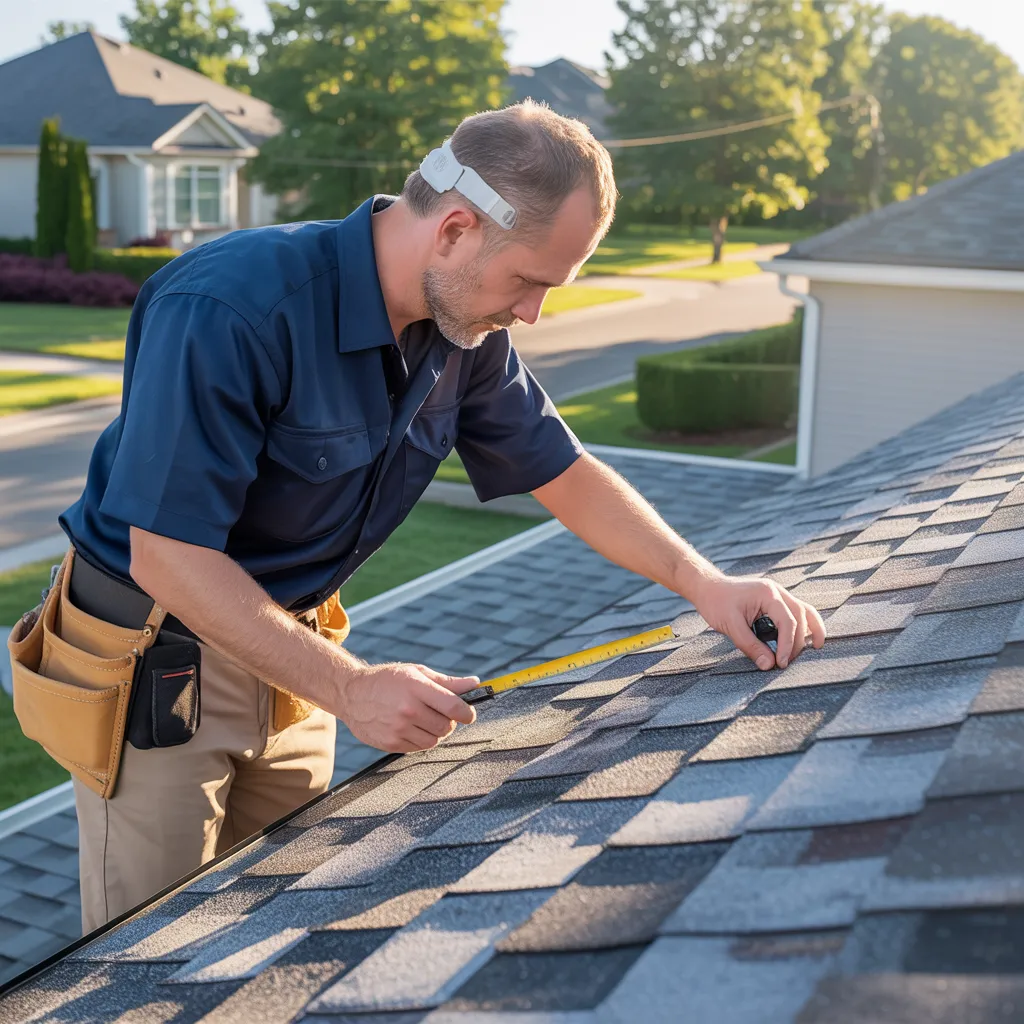
The Importance of Regular Roof Inspections for Homeowners
While many homeowners may overlook the importance of roof inspections, periodic assessments are fundamental to upholding a home's overall condition. Regular evaluations enable the timely identification of developing problems, reducing the likelihood of expensive repair work down the line. Climate conditions, natural aging, and surrounding environmental influences can slowly deteriorate a roof, making periodic evaluations critical for longevity. Homeowners benefit from identifying minor damages before they escalate into significant problems, ensuring the roof remains functional and secure.
In addition, scheduled inspections can boost energy efficiency, as a well-maintained roof prevents air leaks and maintains temperature regulation. This often translates to decreased energy costs. Furthermore, most insurance policies necessitate proof of upkeep, making inspections vital for filing claims. At the end of the day, planning consistent roof evaluations promotes peace of mind, with confidence that the home is defended against the elements and unforeseen hazards. Placing roof inspections at the forefront is an investment in the property's safety and long-term value.
Detecting Common Roof Concerns
Regular roof inspections play an essential role in identifying common issues that homeowners may encounter. As time passes, roofs can develop problems such as absent shingles, which subject the underlying materials to moisture and potential leaks. Additionally, cracked or curled shingles may indicate age or weather-related damage, necessitating prompt attention.
Another frequent problem is the collection of debris in gutter systems, which can result in water backup and damage to both the roof structure and the house's foundation. Homeowners should additionally look for indications of uneven or sagging areas, as these may point to serious structural problems.
In addition, the existence of algae or moss can trap moisture, causing further degradation if not remedied. By identifying these common roof problems at an early stage, homeowners can reduce potential deterioration, guaranteeing the longevity and integrity of their roofs. Periodic inspections help to catch these concerns before they develop into costly repairs.
How Frequently Should You Inspect Your Roof?
How frequently should homeowners perform roof inspections? Professionals suggest examining roofs a minimum of twice annually, preferably during the spring and autumn seasons. Shifting seasons can compromise the structural integrity of a roof, making regular assessments vital. Additionally, homeowners should schedule inspections after significant weather events, like powerful storms or hail events, which may cause hidden damage.
Ignoring roof inspections often results in expensive repairs, as small problems tend to escalate over time. For buildings situated in zones affected by intense weather events, increased inspection frequency may be warranted. New roofs may require less Premier Roofing & Exteriors frequent assessments in the beginning, but regular checks remain important, especially as the roof matures.
What Occurs During a Roof Inspection?
During a roof inspection, a professional carefully evaluates the state of the roof, checking for signs of wear and potential issues. The professional begins by examining the roof's outer layer for missing or damaged shingles, fractures, and various types of damage. They additionally examine flashings, gutters, and downspouts to guarantee adequate functionality and drainage.
Following this, the professional inspector examines the roof's structural integrity, checking for uneven or sagging sections that might signal deeper issues. They will often check the attic area for indications of moisture or water leaks, which can lead to the growth of mold and subsequent damage.
Moreover, the assessment includes reviewing the condition of ventilation components, checking they are functioning properly to prevent excess heat and moisture accumulation. Finally, the inspector documents their findings, providing the homeowner with a complete assessment that presents the present condition of the roofing system and any recommendations for maintenance or repairs.
How to Handle Common Roof Issues
Addressing common roof problems requires an active maintenance plan to guarantee the lifespan and integrity of the structure. Homeowners should regularly inspect their roofs for obvious indicators of wear, such as absent shingles, warped edges, or staining. If water intrusion is identified, swift response is necessary; sealing gaps with appropriate materials can avoid continued water deterioration.
For clogged gutters, regular cleaning is essential, as the buildup of debris can result in water pooling and greater roof deterioration. Additionally, checking for moss or algae growth is important, as such growth can hold moisture and result in structural decay.
For instances involving severe damage, such as extensive rot or structural issues, consulting a professional roofing contractor is advisable. Early intervention not only reduces repair expenses but also increases the roof's longevity. Ultimately, remaining vigilant and promptly addressing these issues is essential for preserving roof integrity.
The Enduring Benefits of Upholding Your Roof's Integrity
Maintaining a roof's integrity offers significant long-term advantages that homeowners should consider. Regular upkeep can prevent costly repairs, ensuring that minor issues do not escalate. Additionally, a well-maintained roof can extend its lifespan and enhance overall energy efficiency, contributing to lower utility bills.
Eliminate Expensive Repair Bills
Regular roof inspections can markedly lower the likelihood of costly fixes in the future. By catching small problems early on, homeowners can address problems before they grow into significant harm. A small leak, for instance, can cause severe water damage and mold growth if left unchecked. Regular checks allow for prompt upkeep, which substantially lowers maintenance costs. Additionally, evaluations can reveal concealed weaknesses, such as compromised shingles or deteriorating flashing, ensuring that these issues are addressed promptly. Investing in routine roof evaluations not only safeguards a home's integrity but also boosts its overall property value. Consequently, emphasizing regular roof evaluations is a sound financial investment that protects against unexpected costs and sustains the property's value over the years.
Maximize Roof Lifespan
While many homeowners may overlook the importance of roof maintenance, disregarding this critical factor can substantially diminish a roof's durability. Routine checkups and upkeep allow homeowners to catch small problems before they worsen, preserving the roof's structural integrity. As the years pass, environmental factors such as UV radiation, rainfall, and snowfall can lead to gradual deterioration. Addressing problems such as loose shingles, rust, or debris buildup can prevent significant damage that necessitates costly repairs or replacements. By committing to routine inspections, homeowners can guarantee their roofing system remains functional and reliable for years to come. This forward-thinking strategy not only prolongs the roof's lifespan but also increases the property's overall worth, making it a sound investment for homeowners.
Boost Energy Efficiency
A properly maintained roof can greatly enhance a home's energy efficiency, leading to considerable cost savings over time. Scheduled inspections help uncover concerns such as damaged shingles or insufficient insulation, which can result in energy inefficiency. By addressing these problems promptly, homeowners can avoid heat from dissipating in the winter and reduce cooling costs in summer. Additionally, a roof in good condition efficiently reflects sunlight, decreasing the demand for heavy air conditioning use. Energy-efficient roofing materials, often recommended during inspections, can help maximize overall performance. Ultimately, preserving the condition of the roof not only contributes to lower utility bills but also promotes a more sustainable living environment. This forward-thinking strategy secures lasting energy efficiency advantages for homeowners.
Common Questions and Answers
How Much Do Roof Inspections Usually Cost?
Roof inspection costs generally range between $100 and $500, depending on factors such as the home's location, size, and the expertise of the inspector. A number of companies could offer no-cost inspections as part of their promotional packages.
Can I Perform a Roof Inspection Myself?
Absolutely, a property owner can perform a roof inspection themselves. Nonetheless, they should be mindful and aware of safety guidelines, as well as possible hazards. It is recommended to seek professional assessments for thorough evaluations and to detect hidden issues.
What Certifications Should a Roofing Inspector Hold?
A competent roofing inspector should possess proper certifications, extensive experience in roofing systems, familiarity with building codes, and essential safety protocols. Moreover, good communication skills are essential for effectively conveying findings and recommendations to property owners.
Will Homeowners Insurance Pay for Roof Inspections?
Standard homeowners insurance policies typically exclude roof inspections, as they are regarded as routine upkeep rather than an insurable event. Coverage details differ, so it is recommended that homeowners consult their insurance documentation to better understand their coverage.
Where Can I Locate a Trusted Roofing Inspector?
To identify a reliable roof inspection professional, one can ask for referrals from trusted friends and family members, review online ratings, and verify credentials through regional licensing authorities or industry organizations to guarantee consistent quality and dependability in their services.